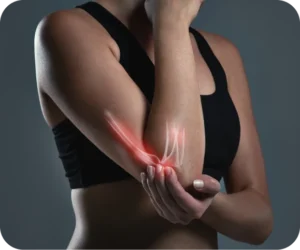



A Pectoralis tendon rupture is a serious shoulder injury that can affect strength, function, and overall quality of life. While not as common as rotator cuff injuries, it is often seen in adults who engage in heavy lifting, weightlifting, or contact sports. Understanding the injury early is crucial, as timely treatment—especially surgical repair—can restore shoulder strength and function effectively.
If you’ve recently been diagnosed with a pectoralis tendon rupture, this guide will help you understand what it means, how it’s diagnosed, and why Open Pectoralis Tendon Repair is considered the gold standard for lasting recovery.
General Points
Symptoms of a Pectoralis Tendon Rupture
A pectoralis tendon rupture typically presents with clear, noticeable symptoms. Many patients report:
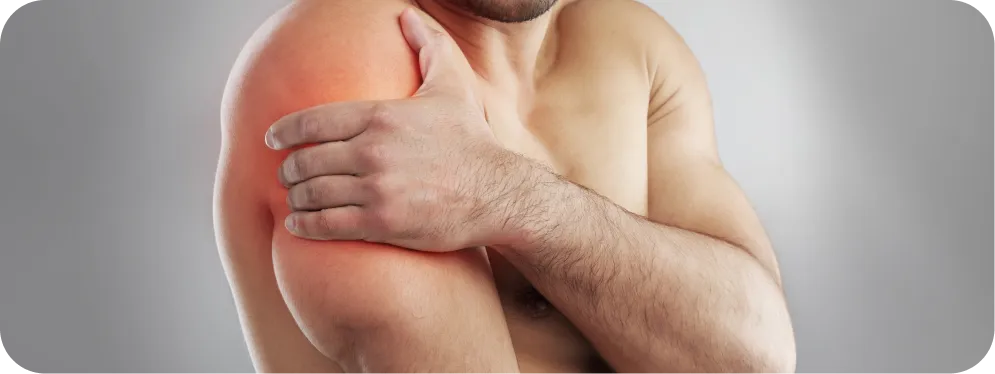
- Sudden pain in the chest or shoulder: Often described as a tearing or popping sensation during activity.
- Bruising and swelling: Discoloration may develop along the chest or upper arm shortly after the injury.
- Loss of strength: Difficulty pushing, lifting, or performing overhead activities.
- Visible deformity: The chest or upper arm may appear sunken or asymmetric compared to the other side.
- Tenderness: The area near the upper arm or chest can be very sensitive to touch.
Recognizing these signs early is important. Ignoring them may lead to chronic weakness, limited function, or cosmetic deformities.
How a Pectoralis Tendon Rupture is Diagnosed
Diagnosing a pectoralis tendon rupture involves a combination of physical examination and imaging studies.
Physical Examination
During your appointment, an orthopedic specialist will:
- Assess range of motion and strength in your shoulder and chest.
- Look for asymmetry in muscle contour.
- Palpate for tenderness or gaps along the tendon.
Imaging Tests
To confirm the diagnosis and plan treatment, your doctor may recommend:
- MRI (Magnetic Resonance Imaging): Provides detailed images of the tendon and surrounding tissues, showing the exact location and severity of the tear.
- Ultrasound: Useful for assessing tendon integrity in real-time.
- X-rays: While they don’t show tendons, they can rule out bone injuries that sometimes occur alongside tendon tears.
With a precise diagnosis, your orthopedic specialist can recommend the most effective treatment approach.
Treatment Options for Pectoralis Tendon Rupture
Treatment depends on the severity of the tear, your activity level, and your personal goals. Options typically include non-surgical care or surgical repair.
Non-Surgical Treatment
For partial tears or patients with lower physical demands, non-surgical management may be considered. This typically includes:
- Rest and activity modification: Avoid lifting, pushing, or overhead activities.
- Physical therapy: Focuses on strengthening surrounding muscles to compensate for some loss of function.
- Pain management: Anti-inflammatory medications or short-term use of ice and heat therapy.
While non-surgical care can relieve pain and maintain some function, it often cannot restore full strength or correct cosmetic deformity. For most active adults, especially athletes or manual laborers, surgical repair is the recommended solution.
Open Pectoralis Tendon Repair: The Gold Standard
When it comes to restoring strength, function, and appearance, Open Pectoralis Tendon Repair is the most reliable treatment for a complete pectoralis tendon rupture.
What is Open Pectoralis Tendon Repair?
This is a surgical procedure in which your orthopedic surgeon:
- Makes a small incision near the shoulder or chest.
- Locates the torn tendon and carefully reattaches it to the bone using strong sutures or anchors.
- Ensures the tendon is securely fixed in its natural position, allowing it to heal properly.
This approach is considered gold standard because it directly addresses the tear, restores normal anatomy, and provides predictable long-term results.
When is Surgery Recommended?
Open Pectoralis Tendon Repair is usually recommended for:
- Complete tendon ruptures.
- Active individuals or athletes who require full shoulder strength.
- Patients seeking cosmetic correction of chest deformity.
- Those who do not improve with non-surgical care.
Surgery is ideally performed within a few weeks of the injury for optimal outcomes.
Benefits of Open Pectoralis Tendon Repair
- High success rate: Studies show most patients regain full or near-full strength after surgery.
- Restored function: Patients can return to weightlifting, sports, and daily activities.
- Cosmetic improvement: Corrects visible deformity of the chest and upper arm.
- Long-term durability: Surgical repair significantly reduces the risk of chronic weakness or re-injury.
Choosing an Experienced Orthopedic Specialist
The success of Open Pectoralis Tendon Repair depends heavily on the surgeon’s experience and expertise. An orthopedic specialist with advanced training in shoulder and joint injuries can:
- Precisely diagnose the injury.
- Recommend the best treatment plan for your lifestyle.
- Guide you through a safe, structured recovery.
- Maximize the likelihood of a full return to activity.
Choosing a specialist you trust ensures that your repair is done with care, precision, and the best possible outcomes.
Take the Next Step Toward Recovery
If you suspect or have been diagnosed with a Pectoralis tendon rupture, it’s important to act promptly. Early evaluation by an orthopedic specialist can make a significant difference in your strength, function, and long-term satisfaction.
With Open Pectoralis Tendon Repair, most patients regain nearly full strength, restore chest symmetry, and confidently return to their favorite activities. Don’t wait—schedule a consultation today to discuss your options and take the first step toward a complete, lasting recovery.