


Chronic synovitis is a condition that affects the synovial lining of your joints, leading to inflammation and discomfort. While it may seem overwhelming at first, understanding the condition, its symptoms, and the available treatment options — especially surgery — can help you feel more in control.
In this article, we’ll break down what chronic synovitis is, how it’s diagnosed, and how modern treatments like Arthroscopic Synovectomy can offer relief and promote long-term recovery.
General Points
What is Chronic Synovitis?
Synovitis is an inflammation of the synovial membrane, which is the lining inside your joints that helps produce fluid for lubrication and nourishment. In chronic synovitis, this inflammation becomes persistent and can cause a range of symptoms, including pain, swelling, and stiffness. Although synovitis can occur in any joint, it most commonly affects the knees, wrists, and shoulders.
When synovitis becomes chronic, it can lead to long-term discomfort and limit mobility, affecting your daily life. That’s why early diagnosis and appropriate treatment are essential to managing symptoms and preventing further damage.

Symptoms of Chronic Synovitis
The symptoms of chronic synovitis can vary in intensity and often develop gradually over time. Common signs include:
- Joint pain: A dull, aching pain that worsens with activity or movement.
- Swelling: The affected joint may feel puffy or swollen, especially after prolonged use.
- Stiffness: Reduced range of motion, making it harder to move the joint.
- Heat or redness: The skin around the affected joint might feel warm to the touch.
- Tenderness: Discomfort or pain when pressure is applied to the joint.
While these symptoms may not be constant, they can fluctuate, sometimes worsening after physical activity or after long periods of rest. If you’re experiencing any of these symptoms, it’s important to seek medical attention to prevent further joint damage.
How is Chronic Synovitis Diagnosed?
Diagnosing chronic synovitis typically involves several steps to confirm the condition and rule out other potential causes of joint pain. Here’s what you can expect during the diagnostic process:
Physical Examination
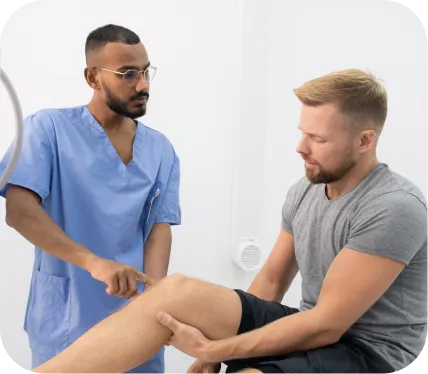
Your orthopedic specialist will begin by performing a thorough physical exam of the affected joint. They’ll check for signs of swelling, tenderness, and reduced range of motion. They may also assess whether the joint feels warm or if there’s any instability.
Medical History
You’ll be asked about your medical history, including any previous injuries, underlying health conditions (like arthritis), and details about your symptoms. This helps the doctor understand your condition better.
Imaging Tests
To get a clearer picture of the joint and the degree of inflammation, your doctor may order imaging tests such as:
- X-rays: While X-rays can’t detect synovitis directly, they can help rule out other conditions like bone fractures or osteoarthritis.
- MRI (Magnetic Resonance Imaging): This is one of the most effective ways to view soft tissues and assess the extent of inflammation in the synovial membrane.
- Ultrasound: In some cases, ultrasound can be used to observe joint swelling and guide the physician in making a more accurate diagnosis.
Once the diagnosis is confirmed, your doctor will work with you to decide on the best treatment plan.
Treatment Options for Chronic Synovitis
The treatment of chronic synovitis aims to reduce inflammation, relieve pain, and improve joint function. Non-surgical options are often the first line of treatment, but in some cases, surgery may be necessary. Here’s a breakdown of the different approaches:
Non-Surgical Treatment Options
- Medications: Nonsteroidal anti-inflammatory drugs (NSAIDs) like ibuprofen can help reduce pain and swelling. In some cases, stronger pain relievers or corticosteroid injections might be prescribed to control inflammation more effectively.
- Physical Therapy: Gentle exercises can help strengthen the muscles around the joint, improving stability and reducing stress on the inflamed area. Stretching exercises can also improve flexibility and range of motion.
- Rest and Activity Modification: Resting the joint and avoiding activities that exacerbate symptoms can prevent further irritation. Modifying how you use the joint or using supportive devices like braces may also help.
- Aspiration: If there’s significant swelling, a doctor might recommend joint aspiration (removal of excess fluid from the joint) to relieve pressure and provide temporary relief.
When Surgery Is Necessary: Arthroscopic Synovectomy
In cases where conservative treatments fail to provide relief or the inflammation is severely limiting daily activities, surgery may be recommended. Arthroscopic synovectomy is a minimally invasive surgical procedure that is highly effective for treating chronic synovitis.
What is Arthroscopic Synovectomy?
Arthroscopic synovectomy is a procedure where a surgeon removes the inflamed synovial tissue from the joint using a small camera (arthroscope) and specialized surgical instruments. This technique is often preferred over traditional open surgery because it’s less invasive, involves smaller incisions, and typically leads to faster recovery times.
Why is Arthroscopic Synovectomy Recommended?
Arthroscopic synovectomy is particularly useful when non-surgical treatments haven’t worked, and the chronic inflammation is causing significant pain, stiffness, or dysfunction. It is often recommended for patients with persistent synovitis that has not responded to physical therapy, medications, or injections.
How Does Arthroscopic Synovectomy Work?
During the procedure, the surgeon makes a small incision near the affected joint and inserts an arthroscope (a thin tube with a camera) to view the synovial membrane. Using specialized tools, the surgeon carefully removes the inflamed tissue. The procedure can take anywhere from 30 minutes to an hour, depending on the joint involved and the extent of the inflammation.
Success Rates and Benefits of Arthroscopic Synovectomy
The success rate of arthroscopic synovectomy is high, with many patients experiencing significant relief from pain and improved joint function. Studies show that over 80% of patients report substantial improvement after surgery, and most are able to return to their normal activities within a few months.
Some of the key benefits of arthroscopic synovectomy include:
- Reduced pain and inflammation: By removing the source of inflammation, most patients experience lasting relief.
- Faster recovery: Since the procedure is minimally invasive, recovery time is usually quicker compared to traditional open surgery.
- Minimal scarring: The small incisions used in arthroscopic surgery result in less visible scarring and a lower risk of infection.
Why Consult an Orthopedic Specialist
Chronic synovitis can be a frustrating condition, but with the right care, there are excellent treatment options available to help you find relief. If conservative treatments haven’t been effective or if you’re struggling with pain and limited movement, Arthroscopic Synovectomy could be the key to a lasting recovery.
Consulting with an experienced orthopedic specialist is the best step you can take toward getting back to your active life. They will guide you through your treatment options and ensure you receive the care and support you need to make a full recovery.
Don’t let chronic synovitis control your life. Reach out today to schedule a consultation with an orthopedic surgeon who can help you regain your mobility and get back to the activities you love.
By making the right decision today, you can improve your quality of life and achieve lasting relief from chronic synovitis.