



Cartilage damage in the knee or other joints is more common than most people realize, especially among active adults. When this smooth, protective surface wears down or becomes injured, it’s known as a chondral defect or chondral injury.
While it might start as mild discomfort, untreated cartilage damage can gradually lead to stiffness, swelling, and eventually joint degeneration. The good news is that modern minimally invasive techniques — such as Arthroscopic Chondroplasty — can effectively treat this condition, relieve pain, and restore mobility.
General Points
What Is a Chondral Defect or Injury?
A chondral defect is an area where the cartilage that lines the joint surface has been damaged. Cartilage doesn’t have its own blood supply, which means it doesn’t heal easily once injured. These defects are often caused by:
- A sports injury or fall
- Repetitive stress on the joint
- Previous ligament or meniscus injuries
- Natural wear and tear over time
The knee is the most common joint affected, but the same type of injury can occur in the ankle, hip, or shoulder. Recognizing the problem early is key to preventing further degeneration or arthritis.

Common Symptoms: How Does It Feels
Patients with a chondral defect often describe:
- Pain deep inside the joint, especially with activity
- Swelling or stiffness after exercise or long rest periods
- Locking, catching, or grinding sensations when moving
- Instability or the feeling that the joint “gives way”
These symptoms can vary depending on how large and deep the defect is. Even small defects can cause discomfort if they’re located in high-pressure areas of the joint.
How is Condral Defect/Injury Diagnosed?
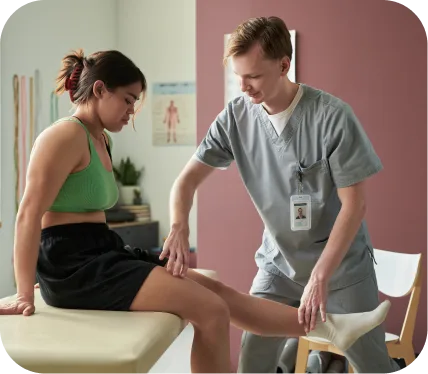
Your orthopedic specialist will start with a physical examination, evaluating joint movement, tenderness, and swelling.
To confirm the diagnosis and determine the extent of cartilage damage, imaging studies are used:
- X-rays rule out bone or alignment issues.
- MRI scans provide detailed images of the cartilage surface.
- In some cases, an arthroscopic evaluation allows direct visualization inside the joint for the most accurate assessment.
This combination of exams helps your surgeon tailor the most effective treatment plan for your specific situation.
Treatment Options
Treatment for a chondral defect depends on the size, location, and severity of the injury — as well as your activity level and age.
Non-Surgical Care
Small or mild defects may be managed with:
- Rest and physical therapy to strengthen muscles and reduce load on the joint
- Anti-inflammatory medication for pain and swelling
- Injection therapy, such as platelet-rich plasma (PRP) or hyaluronic acid
These conservative treatments can provide relief but cannot restore the damaged cartilage. When symptoms persist, surgical intervention may be necessary.
Surgical Treatment: Arthroscopic Chondroplasty
When non-surgical options are no longer effective, Arthroscopic Chondroplasty offers a minimally invasive solution to repair and smooth damaged cartilage.
What the Procedure Involves
During this outpatient procedure, the surgeon inserts a small camera (arthroscope) and specialized instruments into the joint through tiny incisions. The damaged cartilage is trimmed, smoothed, and stabilized, creating a healthier surface that reduces friction and pain.
The goal isn’t to regrow cartilage but to restore smoother joint motion and slow future wear. Because the surgery is done arthroscopically, it causes minimal disruption to surrounding tissues and allows for a faster recovery.
When It’s Recommended
Your orthopedic surgeon may recommend Arthroscopic Chondroplasty if you have:
- Persistent pain or swelling that hasn’t improved with rest or therapy
- Localized cartilage damage rather than widespread arthritis
- Mechanical symptoms like catching, grinding, or locking
- An active lifestyle and desire to return to sports or daily activities
Benefits and Expected Outcomes
- Minimally invasive – smaller incisions, less pain, and faster recovery
- Effective pain relief – smoother surfaces reduce irritation
- Improved mobility – restored joint motion and stability
- High success rate – over 85–90% of patients experience lasting improvement
- Prevents further damage by smoothing unstable cartilage edges
Most patients notice significant relief within weeks and are able to resume daily activities much sooner than with open surgery.
Long-Term Outlook
When performed by an experienced orthopedic surgeon and followed by proper rehabilitation, Arthroscopic Chondroplasty can provide long-term pain relief and help delay or prevent the progression of arthritis. Regular follow-up visits ensure your recovery stays on track and your joint remains healthy.
Why Choose a Specialist for Chondral Defect Treatment
Cartilage injuries require precise diagnosis and expert treatment planning. An experienced orthopedic specialist who performs advanced arthroscopic procedures can identify the best approach for your specific joint and lifestyle goals.
By combining minimally invasive surgery with personalized rehabilitation, the aim is to help you return to your normal activities — stronger, pain-free, and confident in your movement.
Take the Next Step Toward Recovery
Living with persistent joint pain isn’t something you have to accept. If you’ve been diagnosed with a chondral defect or cartilage injury, consult an orthopedic specialist experienced in Arthroscopic Chondroplasty.
With the right care, you can expect smoother movement, lasting relief, and a faster return to the activities you love.