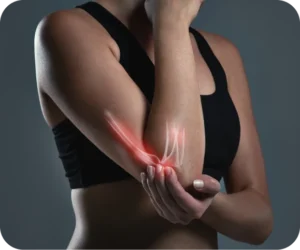
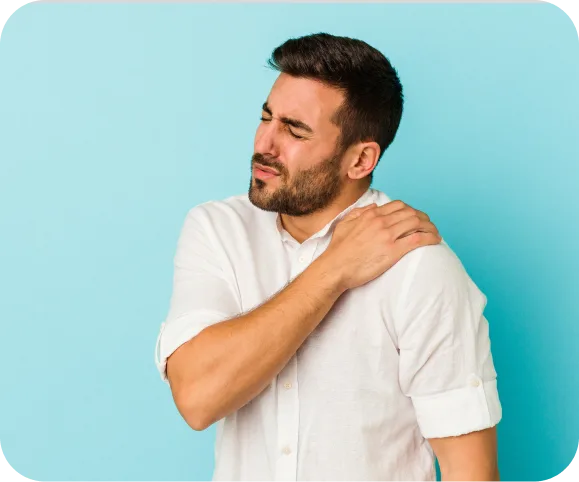


A posterior labral tear is a less common but often overlooked shoulder injury that can cause deep pain, weakness, and instability in the back (posterior) part of the shoulder joint.
The labrum is a ring of cartilage that surrounds the shoulder socket (glenoid), helping keep the ball of the joint (humeral head) securely in place. When the back portion of this cartilage tears — often from a fall, repetitive motion, or heavy lifting — the result can be pain, catching sensations, and reduced shoulder stability.
Because posterior labral tears can sometimes mimic other shoulder conditions, accurate diagnosis and timely treatment are key. Fortunately, modern minimally invasive surgery such as Arthroscopic Posterior Labral Repair can restore the shoulder’s stability and function, allowing you to return to a pain-free, active life.
General Points
- What a Posterior Labral Tear Feels Like
- How is a Posterior Labral Tear Diagnosed
- Treatment Options for Posterior Labral Tear
- When Arthroscopic Posterior Labral Repair Is Recommended
- Recovery After Arthroscopic Posterior Labral Repair
- Why Choosing an Experienced Orthopedic Specialist Matters
- Restore Strength and Confidence in Your Shoulder
What a Posterior Labral Tear Feels Like
Unlike more common anterior (front) tears, posterior labral tears usually develop gradually and may be subtle at first. Typical symptoms include:
- Deep shoulder pain, especially in the back of the shoulder
- Clicking, popping, or catching with movement
- Weakness or instability, particularly when pushing or pressing (like bench pressing)
- Pain when reaching across the body or behind the back
- Reduced range of motion or a “dead arm” feeling during activity
Athletes who perform repetitive overhead or pushing movements — such as weightlifters, football players, and swimmers — are at higher risk. If left untreated, these tears can progress, leading to chronic instability or shoulder degeneration.
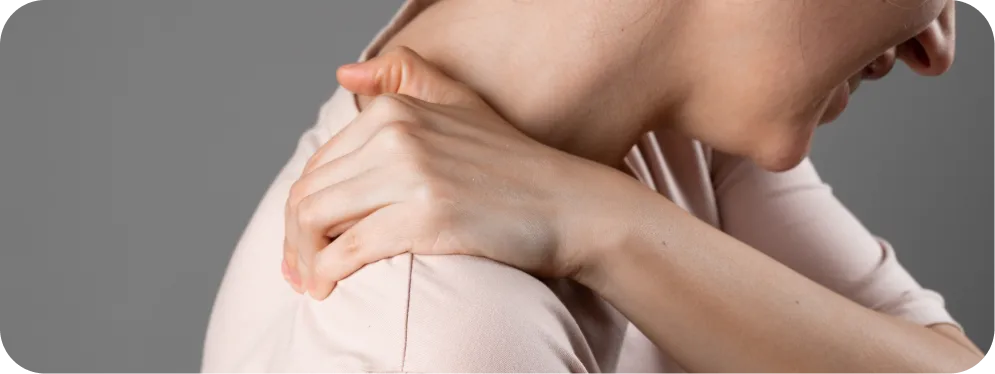
How is a Posterior Labral Tear Diagnosed
Accurate diagnosis begins with a thorough evaluation by an orthopedic specialist experienced in shoulder injuries.
Medical History and Physical Examination
Your surgeon will ask about your symptoms, athletic activities, and any shoulder trauma or repetitive strain. Special physical tests — such as the jerk or Kim test — help detect posterior instability or pain localized to the back of the joint.
Imaging Studies
- X-rays are performed first to rule out bone abnormalities or arthritis.
- MRI with contrast (MR arthrogram) is the most effective imaging study for confirming a posterior labral tear. It allows your surgeon to see the exact size and location of the tear, as well as any associated damage.
In certain cases, diagnostic arthroscopy — a minimally invasive camera procedure — may be used to confirm the diagnosis and directly assess the integrity of the labrum before repair.
Treatment Options for Posterior Labral Tear
The best treatment depends on the severity of the tear, your activity level, and whether your shoulder remains stable.
Non-Surgical Management
For small or partial tears, initial management may include:
- Activity modification — avoiding positions or movements that aggravate pain
- Anti-inflammatory medications to reduce irritation
- Corticosteroid injections, in select cases, to relieve inflammation and pain
While these approaches may ease symptoms temporarily, they do not heal the torn labrum. If pain or instability persists, or if the tear is significant, surgical repair is the most reliable and lasting solution.
Arthroscopic Posterior Labral Repair: The Modern Surgical Solution
When conservative treatment is not enough, Arthroscopic Posterior Labral Repair provides a safe and effective way to restore shoulder stability and eliminate pain.
How Arthroscopic Posterior Labral Repair Works
This minimally invasive procedure is performed through a few small incisions. Using a tiny camera (arthroscope) and specialized instruments, your surgeon:
- Visualizes the posterior labrum and identifies the tear.
- Cleans the damaged tissue and prepares the bone surface.
- Reattaches the torn labrum using small anchors and high-strength sutures to secure it firmly back to the glenoid rim.
This restores the natural anatomy of the shoulder and prevents the joint from sliding backward, significantly improving stability and strength.
Benefits of Arthroscopic Posterior Labral Repair
- Minimally invasive approach with smaller incisions and less pain
- Excellent visualization of the tear for precise repair
- Low risk of complications
- Faster recovery and return to activity compared to open surgery
- Durable, long-term shoulder stability
Most patients experience significant pain relief and improved confidence in shoulder movement once healing is complete.
When Arthroscopic Posterior Labral Repair Is Recommended
Your orthopedic surgeon may recommend this surgery if you experience:
- Persistent shoulder pain despite non-surgical treatment
- Recurrent posterior instability or “slipping” sensations
- MRI evidence of a posterior labral tear
- Weakness or difficulty pushing, lifting, or performing overhead movements
This procedure is particularly beneficial for athletes and active individuals who need full shoulder strength and stability to return to sports or demanding work.
Recovery After Arthroscopic Posterior Labral Repair
Recovery after surgery focuses on protecting the repaired labrum while gradually restoring mobility and strength.
Immediate Post-Surgery
- The procedure is outpatient, meaning most patients go home the same day.
- Pain and swelling are managed with prescribed medications and icing.
- You can perform light daily activities shortly after surgery, but lifting, pushing, or overhead motion must be avoided during the early healing phase.
Clinical studies show excellent success rates, with over 90% of patients reporting substantial improvement in shoulder stability, strength, and function after Arthroscopic Posterior Labral Repair. Most people return to sports or work without pain or instability once recovery is complete.
Your orthopedic specialist will monitor your progress closely to ensure optimal healing and a smooth return to your normal activities.
Why Choosing an Experienced Orthopedic Specialist Matters
Posterior labral tears require precise diagnosis and expert surgical technique. A fellowship-trained orthopedic surgeon with extensive experience in shoulder arthroscopy is best equipped to perform the repair safely and effectively.
Choosing an experienced specialist ensures that every aspect of your care — from diagnosis to surgery to recovery — is customized for the best long-term outcome, minimizing the risk of re-injury and maximizing shoulder performance.
Restore Strength and Confidence in Your Shoulder
A posterior labral tear doesn’t have to limit your performance or daily life. With the advanced technique of Arthroscopic Posterior Labral Repair, you can regain lasting stability, reduce pain, and return to your favorite activities with confidence.
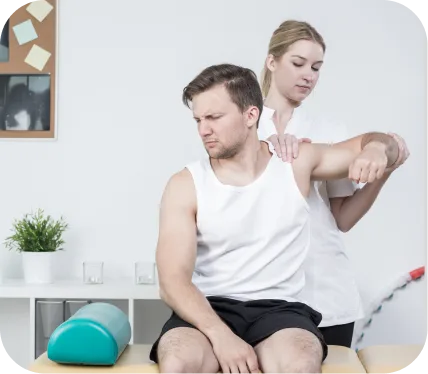
If you’re experiencing persistent shoulder pain, weakness, or instability, schedule a consultation with an orthopedic specialist today. Early evaluation and expert treatment can help you restore your shoulder’s strength — and your quality of life — for years to come.