
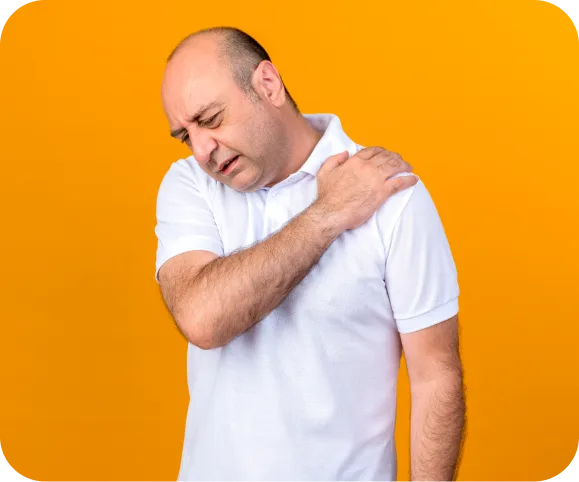


If you’ve been diagnosed with biceps tendon medial subluxation or dislocation, it’s normal to feel concerned and have many questions. Understanding this condition early is key to preventing long-term shoulder problems and regaining full function. In this article, we’ll explain what it is, how it’s diagnosed, and the most effective treatments available—especially a highly successful surgical option called Arthroscopic Biceps Tenodesis.
General Points
What is Biceps Tendon Medial Subluxation/Dislocation?
The biceps tendon is a strong cord of tissue that connects the biceps muscle in your upper arm to your shoulder. Normally, it glides smoothly in a groove at the front of your shoulder.
Medial subluxation or dislocation occurs when the tendon slips out of its normal position, moving toward the middle of your shoulder. This can happen due to:
- Injury to the supporting ligament (the transverse humeral ligament)
- Shoulder trauma or repetitive overhead activities
- Degeneration of the tendon or surrounding tissues
If left untreated, this condition can cause pain, weakness, and even contribute to other shoulder injuries over time.

Symptoms of Biceps Tendon Medial Subluxation/Dislocation
Patients with this condition often notice the following symptoms:
- Anterior shoulder pain, especially with overhead or lifting activities
- Clicking or popping sensation when moving the shoulder
- Weakness in the arm, particularly when lifting or rotating
- Sometimes a visible bump or shift of the tendon toward the inner shoulder
Symptoms can range from mild discomfort to significant pain and functional limitations, making everyday activities like reaching overhead, lifting groceries, or playing sports difficult.
How is Biceps Tendon Medial Subluxation/Dislocation Diagnosed?
An accurate diagnosis usually involves a combination of physical examination and imaging studies:
Physical Examination
Your orthopedic specialist will assess:
- Pain with certain arm movements
- Tendon instability using specific shoulder maneuvers
- Muscle strength and range of motion
Imaging
- MRI: Helps visualize the biceps tendon, ligaments, and surrounding shoulder structures
- Ultrasound: Can show dynamic tendon movement during arm motion
- X-ray: While not always definitive, it can rule out bone involvement or associated injuries
Accurate diagnosis is crucial for choosing the right treatment and preventing further shoulder damage.
Treatment Options for Biceps Tendon Medial Subluxation/Dislocation
Treatment depends on the severity of symptoms, your activity level, and whether other shoulder injuries are present.
Non-Surgical Approaches
For mild cases or patients with minimal pain:
- Rest and activity modification: Avoid movements that aggravate the tendon
- Physical therapy: Strengthening shoulder stabilizers and improving flexibility
- Anti-inflammatory medications: Reduce pain and swelling
While non-surgical care can provide relief, it may not correct the tendon’s position, and persistent instability can lead to further injury over time.
Arthroscopic Biceps Tenodesis: A Highly Effective Surgical Solution
For patients with ongoing pain, tendon instability, or failure of conservative treatment, Arthroscopic Biceps Tenodesis is often recommended.
What is Arthroscopic Biceps Tenodesis?
This minimally invasive procedure involves:
- Detaching the biceps tendon from its original attachment at the shoulder
- Reattaching it to the upper arm bone (humerus) in a secure position
- Using arthroscopic tools, the surgeon completes the procedure through small incisions, minimizing tissue disruption
This restores normal tendon alignment, relieves pain, and prevents further subluxation or dislocation.
Why Choose Arthroscopic Biceps Tenodesis?
- High success rate: Studies show that more than 90% of patients experience significant pain relief and restored shoulder function
- Minimally invasive: Small incisions mean less scarring, less post-operative pain, and faster recovery
- Preserves muscle strength: Unlike other procedures, it maintains biceps function and arm strength
- Long-term stability: Reduces the risk of recurrent tendon dislocation and related injuries
Take Action for a Healthier Shoulder
Biceps tendon medial subluxation or dislocation can be painful and limit your daily activities, but effective treatment is available. While conservative options may help some patients, Arthroscopic Biceps Tenodesis offers a highly successful, minimally invasive solution that restores stability, strength, and long-term shoulder health.
If you’re experiencing persistent shoulder pain or instability, consulting an experienced orthopedic specialist is the best step toward lasting recovery. Early evaluation and expert care can make a significant difference in your outcome and quality of life.

Don’t wait—schedule a consultation today and take the first step toward a strong, stable, and pain-free shoulder.