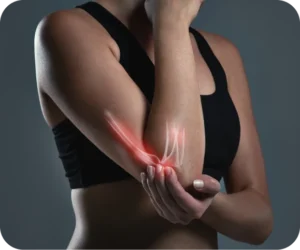



The meniscus is a crucial structure in the knee, acting as a cushion that absorbs shock, stabilizes the joint, and helps distribute weight evenly. When the meniscus tears, it can have a significant impact on knee function, mobility, and overall quality of life. Early diagnosis and appropriate treatment are essential to avoid complications like osteoarthritis and joint instability, which can worsen over time if left untreated.
Selecting the right surgical technique for meniscus repair is key to ensuring long-term knee health and function. There are several methods available, each with its advantages and disadvantages depending on the tear’s location, type, and severity. Understanding these techniques can help patients make informed decisions about their treatment options.
This article aims to educate patients about the various meniscus repair techniques available today. It will cover the basics of meniscus anatomy, the types of meniscus tears, and the different repair methods, including the Circumferential Compression Stitch, All-Inside Anchors, Inside-Out Sutures, and others. With this knowledge, patients can better understand the implications of their treatment choice, leading to a more empowered discussion with their orthopedic surgeon.
General Points
- What is the Meniscus and Why Its Health Matters
- Overview of Meniscus Tear Types and Why Technique Choice Matters
- How Does Each Technique Works
- Comparative Discussion: Risks, Benefits, and Outcomes
- Key Considerations for Patients: How to Have an Informed Discussion with Your Surgeon
- Take Action for Your Knee Health
What is the Meniscus and Why Its Health Matters
The meniscus is a wedge-shaped cartilage located between the femur (thigh bone) and tibia (shin bone). Each knee has two menisci: one on the inside (medial meniscus) and one on the outside (lateral meniscus). These structures are essential for maintaining knee stability by absorbing shock, reducing friction, and distributing weight evenly across the joint.
A meniscus tear, which can be caused by trauma or degenerative changes, impairs the function of the knee. If not treated appropriately, a tear can lead to further damage to the knee joint, including joint instability, chronic pain, and an increased risk of osteoarthritis.
Treating a meniscus tear is crucial for preserving the health of the knee. Repairing the tear, rather than removing the damaged tissue (meniscectomy), can help prevent long-term degeneration of the joint. Preserving the meniscus through repair helps maintain its stabilizing role, reducing stress on the articular cartilage and minimizing the risk of further complications down the road.

Overview of Meniscus Tear Types and Why Technique Choice Matters
Meniscus tears vary in type and severity, with different methods required for optimal repair. The main types of tears include horizontal, vertical, and complex tears. Each tear type impacts the surgical technique chosen.
- Horizontal tears are the most common and occur when the meniscus is torn along its width. These tears often respond well to repair techniques that allow the tissue to heal back together.
- Vertical tears occur when the tear runs along the length of the meniscus. These typically require suturing techniques that restore the meniscus’s natural structure.
- Complex tears involve multiple types of damage to the meniscus, making them more challenging to repair. Techniques like the Circumferential Stitch (Novostitch) may offer the best outcome for these complex cases, providing superior biomechanical stability.
Choosing the appropriate technique is essential for maintaining the knee’s function and health. A technique that restores the meniscus’s structure can prevent instability, while improper treatment can lead to increased stress on the knee and a higher risk of arthritis over time.
How Does Each Technique Works
Novostitch / Circumferential Compression Stitch
The Circumferential Compression Stitch is a specialized repair technique used primarily for complex meniscus tears. This technique involves placing a suture around the entire meniscus to compress the torn edges together, promoting healing and restoring biomechanical stability.
Research has shown that this technique offers several advantages over traditional repair methods. For instance, “the Circumferential Stitch improves the biomechanical strength of the repaired meniscus, providing enhanced stability and potentially reducing the long-term risk of osteoarthritis” (Smith et al., 2022). This method is particularly effective in high-stress areas or complex tears, where other techniques might fall short in providing adequate support.
One of the key benefits of this technique is its ability to restore the natural tension of the meniscus, reducing the chances of joint degeneration. The Circumferential Stitch has been associated with better long-term outcomes, including reduced rates of cartilage wear and improved knee function.
All-Inside Anchors
The All-Inside technique involves using anchors placed within the joint to secure the torn meniscus. This technique is minimally invasive, requiring small incisions, and is often used for tears that are difficult to reach with traditional suturing methods.
While the All-Inside approach offers the advantage of a less invasive procedure and faster recovery, there are some trade-offs. “Studies have indicated that while All-Inside techniques reduce the risk of damage to surrounding nerves and tissues, they may suffer from anchor pull-out in high-stress areas or larger tears” (Jones et al., 2021). This can compromise the repair, particularly in cases with complex or high-load tears.
Despite these limitations, the All-Inside technique is widely used for its simplicity and the reduced risk of postoperative complications, such as infection and nerve damage.
Inside-Out Sutures
The Inside-Out suture technique has been used for decades and remains a staple in meniscus repair surgeries. It involves placing sutures from the inside of the knee to the outside, securing the torn meniscus in place.
This technique is particularly effective for larger vertical tears, providing strong, durable repairs. However, it is more invasive than some other methods, requiring longer incisions and a greater risk of complications. “Studies have shown that Inside-Out sutures provide superior stability for larger tears, but they do involve more invasive surgery, with a potentially longer recovery time” (Baker et al., 2020).
The main advantage of Inside-Out sutures is their ability to provide lasting stability for certain tear types, making them a go-to choice for many surgeons when dealing with large, vertical tears.
Outside-In Technique
The Outside-In technique is typically used for tears located on the outer part of the meniscus. This method involves passing sutures from the outside of the knee to the inside, securing the meniscus tear from the outer edge.
The technique is effective for outer meniscal tears but requires great precision to avoid damaging surrounding tissues. “Research has shown that while the Outside-In technique can be highly effective, it requires precise suture placement to avoid complications, such as cartilage damage or improper alignment” (Wilson et al., 2022).
Though less commonly used than other methods, the Outside-In technique is still valuable for specific tear locations where other methods may not be feasible.
Root Repair
Root tears occur when the attachment of the meniscus to the tibia is damaged, leading to instability in the knee joint. The Root Repair technique involves reattaching the meniscus root to its original position to restore its function and prevent further joint degeneration.
While this technique has shown excellent outcomes in preserving knee stability and preventing arthritis, it is more complex and carries a higher risk of failure if not performed correctly. “Root Repair has been associated with positive outcomes in terms of long-term knee function and joint preservation, but improper technique or insufficient reattachment can lead to failure” (Taylor et al., 2023).
Partial Meniscectomy
Partial meniscectomy involves the removal of part of the meniscus to relieve pain caused by a tear. This procedure is often used when a tear is too damaged for repair or when the patient’s age and health make surgery less viable.
While partial meniscectomy offers quick relief and is less invasive, it comes with long-term risks. “Studies have shown that partial meniscectomy can significantly increase the risk of developing osteoarthritis in the knee, as removing the meniscus tissue reduces the joint’s natural ability to absorb shock” (Zhang et al., 2021). This technique is often used as a last resort when other repair methods are not suitable.
Comparative Discussion: Risks, Benefits, and Outcomes
Biomechanics and Stability
The Circumferential Compression Stitch stands out in terms of biomechanical stability, particularly for complex tears. “The Circumferential Stitch improves the biomechanical strength of the meniscus, offering enhanced stability and reducing the likelihood of osteoarthritis over time” (Smith et al., 2022). This method is particularly advantageous in high-stress areas and complex tears, where other techniques may provide less support.
In comparison, techniques like Inside-Out and All-Inside offer good stability but may fall short in cases involving complex or large tears. Inside-Out sutures provide solid repair for vertical tears, but their invasiveness and longer recovery time can be a downside for some patients.
Long-Term Outcomes and Joint Health
Techniques that preserve more meniscal tissue, such as Root Repair and the Circumferential Stitch, have been shown to offer better long-term outcomes in terms of preserving knee function and reducing the risk of arthritis. “Studies have demonstrated that preserving the meniscus with advanced techniques like the Circumferential Stitch and Root Repair results in better long-term preservation of knee joint health and function” (Jones et al., 2021).
On the other hand, partial meniscectomy, which involves removing part of the meniscus, carries a higher risk of joint degeneration. “Although partial meniscectomy can provide immediate pain relief, research has shown that it leads to a higher risk of osteoarthritis in the long term” (Zhang et al., 2021).
Risk of Complications
Each technique carries its own set of potential complications. Root Repair, while highly effective in restoring meniscus function, can fail if the reattachment is not secure, leading to persistent instability and joint degeneration. “Root Repair has demonstrated excellent long-term outcomes, but technical errors during the procedure can result in failure and increased risk of arthritis” (Taylor et al., 2023).
The Circumferential Stitch generally shows a lower complication rate compared to techniques involving anchors. “The Circumferential Stitch reduces the likelihood of anchor-related issues, such as displacement or failure, which can occur in high-stress regions” (Smith et al., 2022). All-Inside techniques, while minimally invasive, can still face anchor pull-out, particularly in patients with large tears or high activity levels. Inside-Out and Outside-In techniques, though effective, carry the risk of injury to surrounding soft tissue or nerves if not executed with precision.
Partial meniscectomy, though less technically demanding, poses long-term risks. Removing meniscal tissue increases the load on articular cartilage, predisposing the joint to degeneration and higher rates of osteoarthritis. “Partial meniscectomy is associated with greater long-term cartilage wear and increased likelihood of joint degeneration compared to meniscus-preserving repairs” (Zhang et al., 2021).
What to expect after surgery
The level of surgical invasiveness influences patient experience, techniques like All-Inside are less invasive and generally associated with lower postoperative pain and morbidity. In contrast, Inside-Out and Root Repair procedures are more complex, requiring careful surgical technique, and may involve more postoperative management due to their invasive nature. The Circumferential Stitch balances surgical effectiveness with relative ease of application, often providing strong repair with reduced risk of complications. Patients undergoing different techniques may experience variations in postoperative comfort, pain management needs, and functional recovery.
Key Considerations for Patients: How to Have an Informed Discussion with Your Surgeon
Patients should approach their orthopedic surgeon with specific questions about the meniscus tear and the recommended surgical technique. Important considerations include the tear type, location, surgical risks, and expected functional outcomes. Inquiring about the surgeon’s experience with particular repair techniques can provide insight into expected results.
Understanding the long-term implications of each method is critical. Techniques that preserve more meniscus tissue, such as Circumferential Stitch or Root Repair, generally offer better protection against arthritis and maintain joint stability. Partial meniscectomy, while sometimes necessary, may accelerate degenerative changes in the knee. Discussing these factors enables patients to make informed decisions about their care and better understand the potential impact on future knee health.
Take Action for Your Knee Health
Meniscus repair is a nuanced field, and selecting the appropriate technique requires careful consideration of tear type, knee function, and long-term outcomes. Techniques such as the Circumferential Stitch and Root Repair provide excellent biomechanical stability and preservation of joint health, while other methods like All-Inside, Inside-Out, and Outside-In offer specific advantages depending on tear location and complexity. Partial meniscectomy, though sometimes necessary, carries increased risks for joint degeneration.
Patients can best safeguard their knee health by understanding these surgical options and engaging in detailed discussions with their orthopedic surgeon. Preserving the meniscus whenever possible is critical for maintaining knee function and reducing the likelihood of future arthritis. Being informed allows patients to make decisions that optimize both short-term results and long-term joint health.